
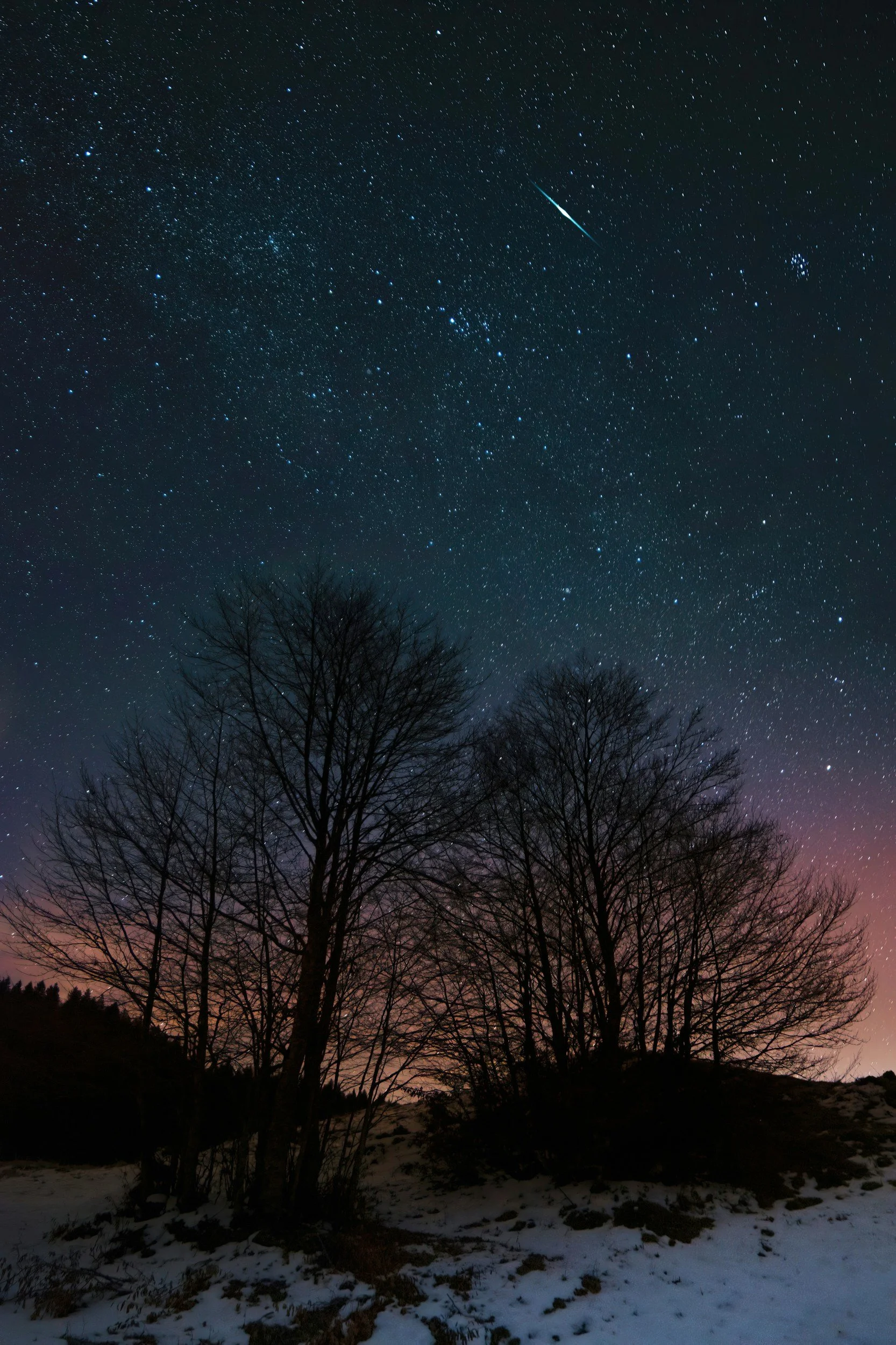
Welcome to November, we have crossed the annual fated crossroads between the light half and the dark half of the year. It’s shortly after Scorpio season begins that we find ourselves in a very different kind of energy. The night has overtaken the amount of day. Suddenly, we are disoriented as the sun vanishes soon after 4pm and we are immersed into the deep, mysterious darkness. How fitting for Scorpio who actually thrives in the dark subconscious. From now until the Winter Solstice we all go through this period, which is actually an invitation to dive into your own subconscious and a time to prepare for the seasonal trials of Wintertime. How do you handle the dark? I will be honest, its a harder adjustment for me. Things can feel just as busy and chaotic but, I tend to feel more tired, more susceptible to seasonal depression on top of the regular depression, & more anxiety as the available daylight gets chopped in half.
Though I find solace that I am not alone in these feelings - about 5% of the population experiences seasonal depression, that’s roughly 10 million Americans, not only this but a little under half of Americans report a declining mood during darker, colder months. This year, I learned just how much the nervous system plays a role in seasonal depression read on below lets dive deeper!
We spend so much time trying to avoid Wintering here. It is a transition like all the other seasons but, because our society is primarily framed around productivity, unfortunately we exist in a “live to work”culture rather than a “work to live” sort of socioeconomic environment overall. We struggle through the winter’s journey which asks us to rest, slow down and embrace the darkness introspectively. There isn’t as much focus on how much fun we can have day to day or get how much can we get outside, how much we embrace the mundane and how we really should romanticize life in all of its seasons including Winter. As Katherine May writes in her sensational book, Wintering :
”Doing those deeply unfashionable things—slowing down, letting your spare time expand, getting enough sleep, resting—is a radical act now, but it is essential. This is a crossroads we all know, a moment when you need to shed a skin. If you do, you’ll expose all those painful nerve endings and feel so raw that you’ll need to take care of yourself for a while. If you don’t, then that skin will harden around you” - Katherine May : Wintering
This is one of the many reasons why neurological chiropractic adjustments is one of the best life hacks for any transition of life to create a adaptable, resilient nervous system, restoring the body back into communication with itself.
The Role of Nervous System Dysregulation in Seasonal Depression
Every fall, the pattern repeats. As daylight fades, you watch your child, or maybe yourself, begin that familiar slide. Energy drops. Emotional instability shows up. Motivation vanishes.
Experts call it Seasonal Affective Disorder (SAD). They explain how reduced sunlight decreases serotonin levels and disrupts your circadian rhythm. They recommend light therapy, maybe antidepressants, and tell you it’s your brain chemistry responding to shorter days.
They’re right, to a point.
But here’s what they can’t explain: Why do some people handle seasonal transitions effortlessly while others struggle significantly? Why do children with Autism, ADHD, or sensory issues predictably worsen each winter? Why does one sibling thrive year-round while another battles the same seasonal decline? The answer isn’t just about what happens during seasonal depression. It’s about why certain nervous systems lack the capacity to adapt to environmental changes. Sunlight does more than help us see. It plays a direct role in nervous system regulation and balancing the brain chemistry that affects mood, energy, and sleep. When light enters your eyes, it triggers neurological responses. Research shows that reduced sunlight during fall and winter decreases serotonin production—the neurotransmitter responsible for mood regulation and well-being. Simultaneously, the brain increases melatonin levels, leading to sleepiness and lethargy.
This shift creates the physiological basis for SAD signs: persistent low mood, decreased energy, increased sleep needs, and carbohydrate cravings. Your circadian rhythm, the internal clock that regulates sleep-wake cycles, relies heavily on exposure to light. When daylight shrinks from 15 hours in summer to 9 hours in winter, that timing system struggles. Vitamin D deficiency compounds these effects. During winter months, especially in northern latitudes, vitamin D levels drop significantly. Low vitamin D correlates with increased depression signs and impaired immune function.
Here’s what conventional understanding misses:
Not everyone who experiences reduced sunlight develops Seasonal Affective Disorder. Two people can live in the same city, get the same amount of daylight, and one thrives while the other can barely function. The difference isn’t about attitude. It’s about nervous system function, regulation, and something called reserve capacity (which can actually be measured using HRV testing). Your Autonomic Nervous System operates like a car with two pedals. The Sympathetic Nervous System acts as the gas pedal, activating stress responses—increasing heart rate, mobilizing energy. The Parasympathetic Nervous System acts as the brake pedal, promoting rest, digestion, and recovery.
A healthy nervous system shifts smoothly between these states. You need the gas pedal when challenges arise. You need the brake pedal to rest, digest, sleep, and maintain emotional balance. But some nervous systems get stuck. The gas pedal stays pressed—sympathetic dominance—even when no threat exists. The brake pedal doesn’t engage, so true recovery never happens. This isn’t a choice. It’s nervous system dysregulation.
Some nervous systems handle daily life plus seasonal transitions. Others are already operating at maximum capacity. When seasonal changes arrive, there’s nothing left in reserve.
Seasonal changes require real adaptation work from your nervous system. Your body must adjust circadian timing to new light patterns.
It must maintain neurotransmitter production despite reduced sunlight. It must regulate temperature in colder weather. It must support immune function during cold and flu season. Each adaptation requires additional neurological resources and adds to the list of “work” that must be done in this season. For a nervous system with healthy capacity, this happens automatically. You notice shorter days but don’t feel overwhelmed. Your body adapts quickly, efficiently, and easily. For an overwhelmed nervous system, seasonal transitions become the breaking point.We’re asking our systems to do more work during seasonal transitions. For a system already operating at its limit, this is the tipping point at which many people, even children, fall into what we call neurological exhaustion.
This explains patterns you’ve probably noticed. Children with Autism, ADHD, or Sensory Processing Disorder often worsen each fall and winter. Adults managing anxiety feel notably worse during darker months. This isn’t a coincidence. It’s a nervous system reaching its reserve capacity limit. When we work to remove and clear subluxation and neurological dysfunction, the nervous system naturally returns to a balanced, regulated state. When this shift occurs, it restores optimal resilience and adaptability, and it’s far easier for them to then handle the seasonal transitions, holiday chaos (that also comes with winter), and more. Each adjustment not only helps release and clear out that stuck sympathetic stress, but most importantly, it recharges your body’s battery and gets you back to full power once again.